Jobs to Inbox

Jobs to Inbox is a participant in the Amazon Services LLC Associates Program. When you buy through links on this page we may earn a commission, at no extra cost to you. We choose every product ourselves and we are never paid to include one. How we pick.

In this corner

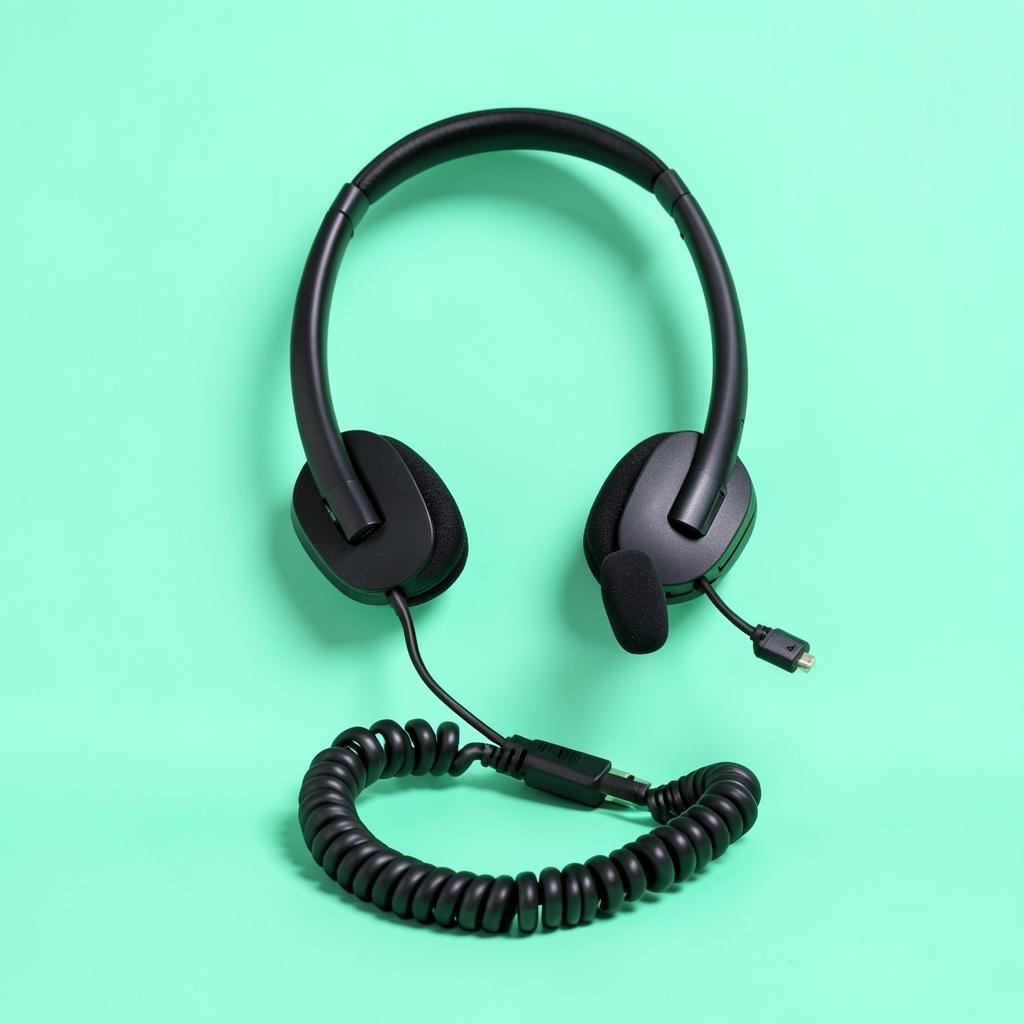
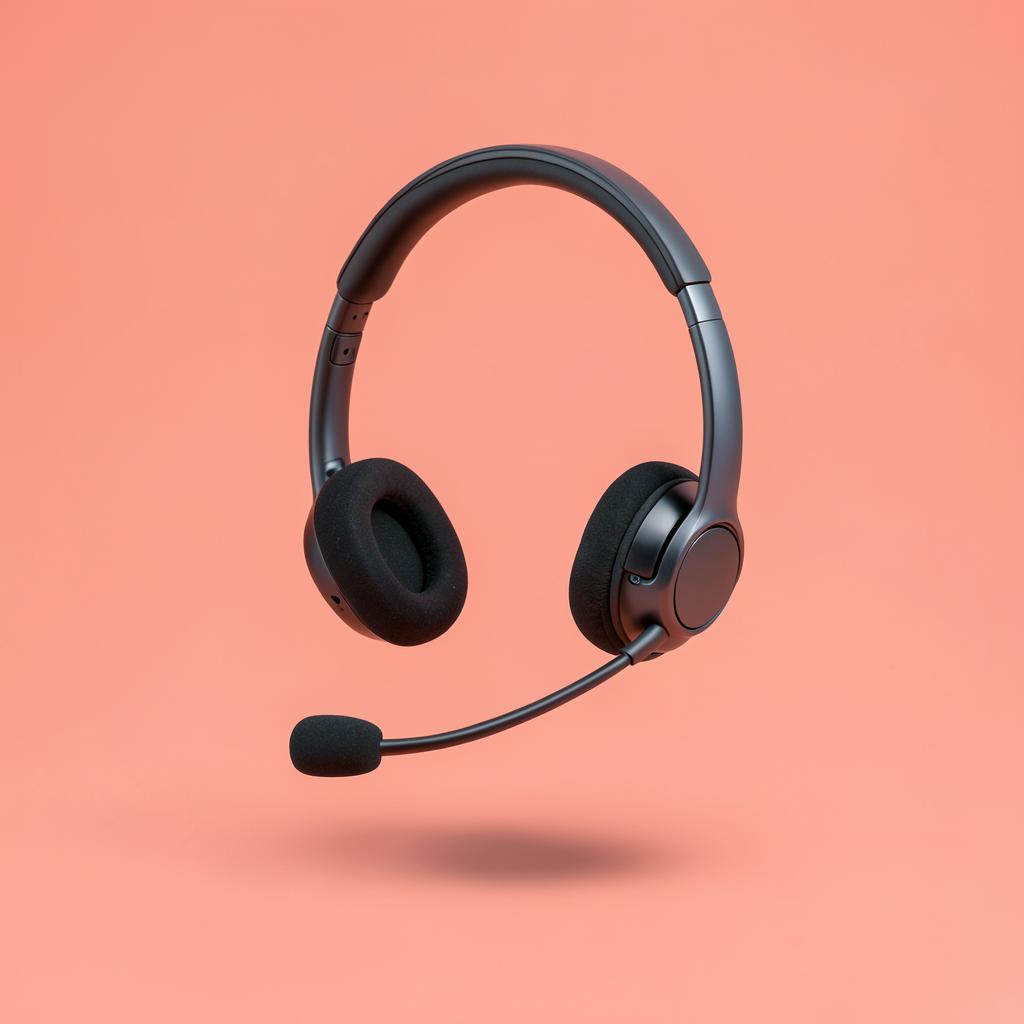
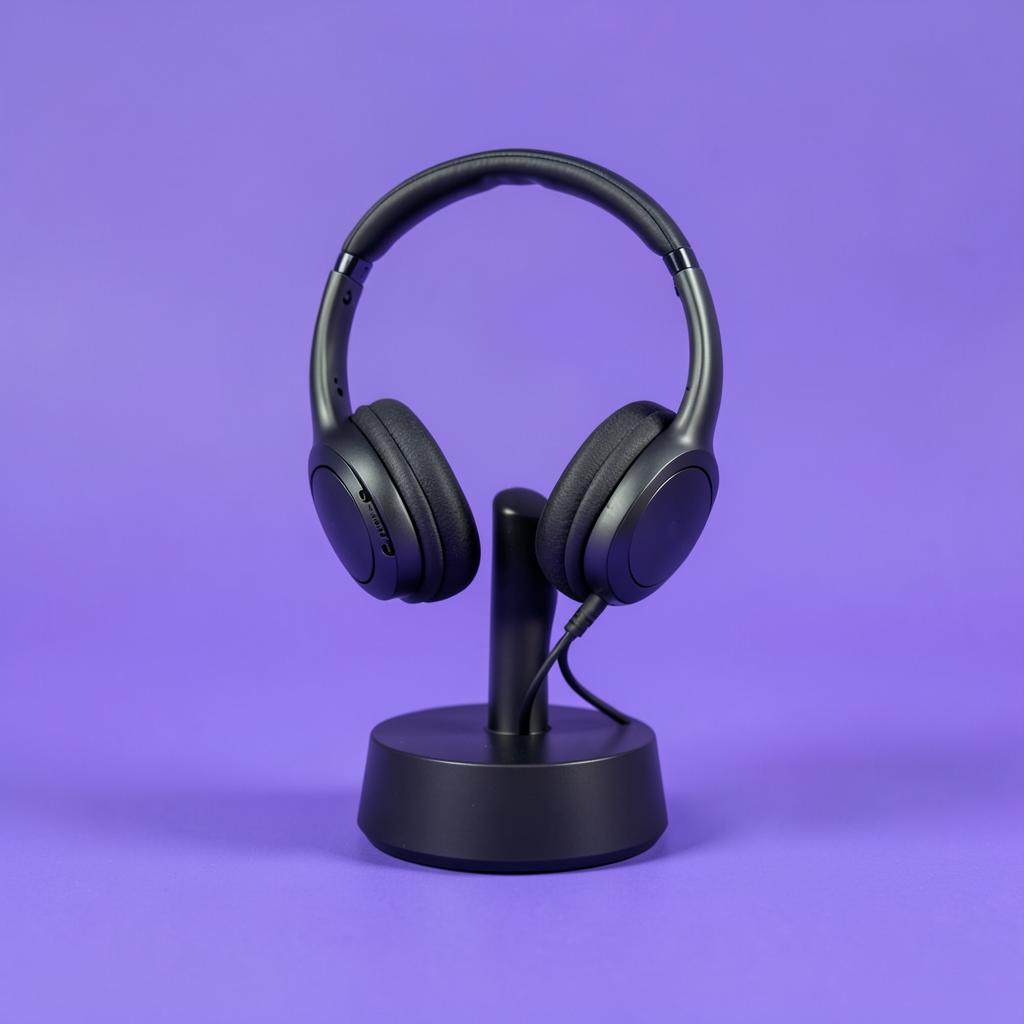
Logitech Zone Vibe 100

Logitech Zone Vibe 100

Anyone on calls three to six hours a day who wants to stop noticing the headset.

And in this one

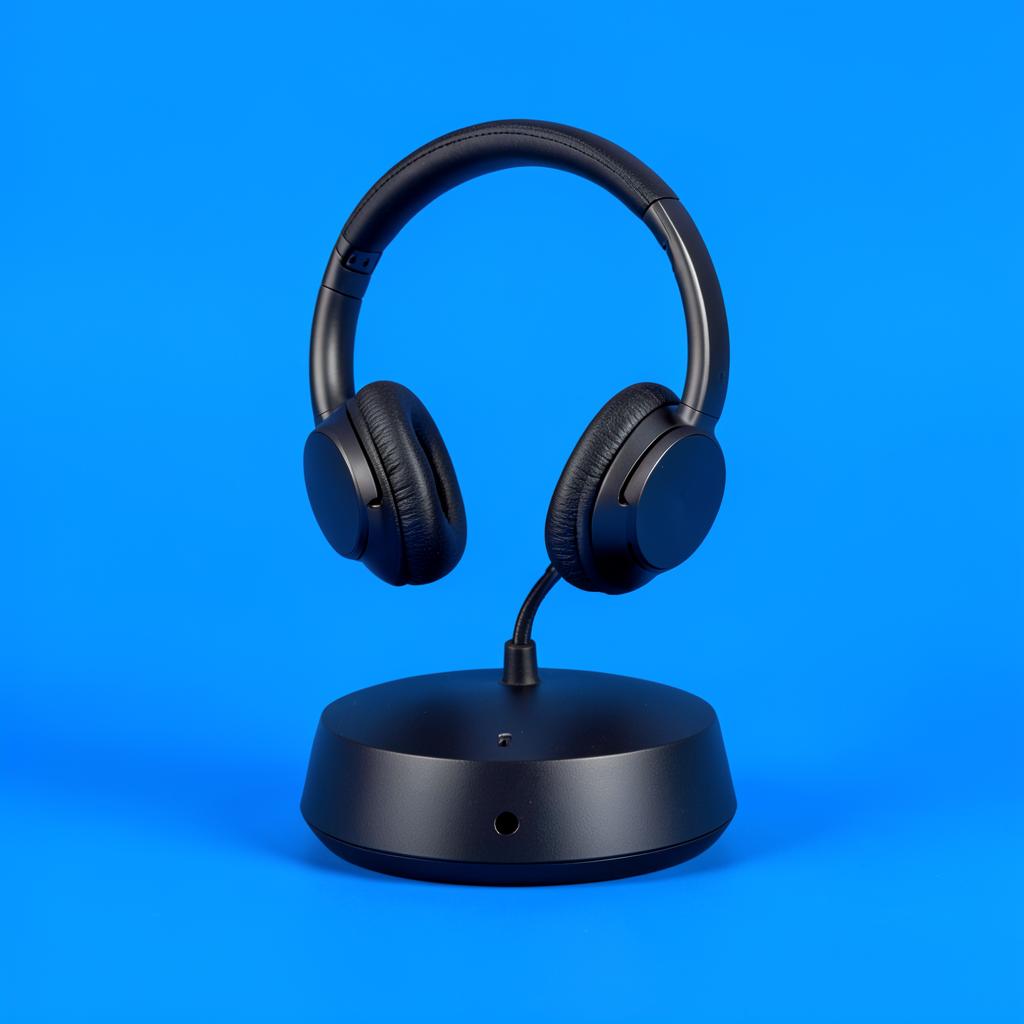
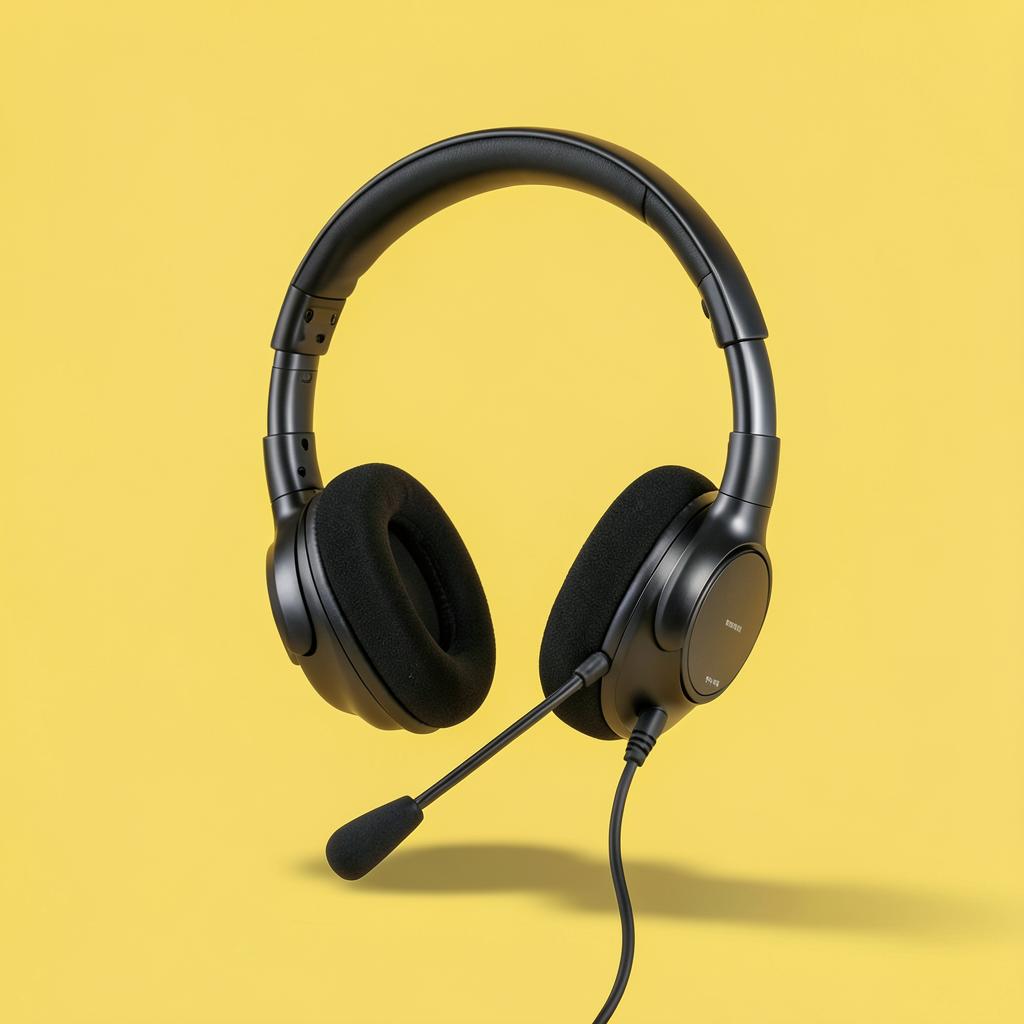
Jabra Evolve2 65

Jabra Evolve2 65

Full-day phone work — utilization review, care management, intake, support.

Zone Vibe vs Evolve2: The Headset Showdown for 10-Hour Call Days

By Terrence Blake · Reviewed September 6, 2026

For most people the Logitech Zone Vibe 100 is the right buy — light enough to forget, with a mic that handles a normal house. If you are on calls more than six hours a day, step up to the Jabra Evolve2 65 for the battery and the harder-working microphone.

Two headsets kept winning our call-day tests for completely different reasons, so we put them head to head: the featherweight Logitech Zone Vibe 100 against the workhorse Jabra Evolve2 65. One wins on comfort, the other wins on the microphone, and the right answer comes down to how many hours a day you are actually talking.

We judged these on three things that matter on a real shift. Can the person on the other end understand you in a house with life happening in it. Can you wear it for ten hours without a headache. And does it survive being yanked off and dropped on a desk twice a day. Comfort outranks sound quality here — you are talking to patients and coworkers, not mixing music.

One note before the list: if your employer supplies a headset, check whether they require a specific certification before you buy. Some telehealth and payer environments only support devices certified for their softphone platform, and a personal purchase can be refused.

The scorecard

Weight
Logitech Zone Vibe 100~185 gJabra Evolve2 65~310 g
Battery
Logitech Zone Vibe 100~18 hrs talkJabra Evolve2 65~37 hrs talk
Mic
Logitech Zone Vibe 100Beamforming, no boomJabra Evolve2 65Boom, noise-cancelling
Connection
Logitech Zone Vibe 100Bluetooth / USB dongleJabra Evolve2 65USB dongle / Bluetooth

For most people the Logitech Zone Vibe 100 is the right buy — light enough to forget, with a mic that handles a normal house. If you are on calls more than six hours a day, step up to the Jabra Evolve2 65 for the battery and the harder-working microphone.

Buy the Logitech if

At roughly 185 grams this is the lightest thing here that still has a real boom-free mic array, and that weight is the whole argument. The mic is not the best in this list, but it is clearly good enough for calls, and the trade is a headset you genuinely forget you are wearing by hour four. Cushions are memory foam and replaceable.

What's good

  • Very light
  • Replaceable cushions
  • Simple Bluetooth or dongle

What's not

  • Mic is good, not great
  • No wired fallback
Buy the Jabra if

This is the workhorse. The boom mic is the best noise rejection in this group, the battery clears a long shift with room to spare, and the on-ear busy light saves you from being walked in on mid-call. It is heavier than the Zone Vibe and you feel that by the afternoon, but the microphone difference is real and audible to the person listening.

What's good

  • Excellent mic isolation
  • Long battery
  • Busy light

What's not

  • Heavier
  • Bulky on a small head

Four more worth a look

Anker PowerConf H500

Best budget

Anker PowerConf H500

The honest budget answer. Mic quality is a clear step below the Jabra and the plastics feel like the price, but it is comfortable, it charges over USB-C, and it does the job for someone who is on two or three calls a day rather than twenty. Buy this before buying a gaming headset with a green light on it.

Weight
~230 g
Battery
~20 hrs talk
Mic
Boom
Connection
USB-C / Bluetooth
Poly Blackwire 3325

Best wired

Poly Blackwire 3325

Wired sounds like a downgrade until you have had a Bluetooth headset drop mid-assessment. There is no pairing, no battery, no dongle to lose, and the mic is consistently clean. Many payer and telehealth softphone environments certify this line specifically, which is often the deciding factor.

Weight
~140 g
Battery
None — wired
Mic
Boom, noise-cancelling
Connection
USB-A / USB-C
Jabra Engage 55 Mono

Best single-ear

Jabra Engage 55 Mono

A mono headset is the right call more often than people admit, particularly for parents working from a shared space. You keep one ear on the household without pulling a cup off every ten minutes. The DECT connection also holds up in an apartment building full of congested Wi-Fi, which Bluetooth frequently does not.

Weight
~75 g
Battery
~13 hrs talk
Mic
Boom, noise-cancelling
Connection
DECT base
Sony WH-1000XM5

Best noise cancelling

Sony WH-1000XM5

Not a purpose-built call headset, and the mic is only adequate for meetings, so this is the pick for a specific problem: you cannot concentrate because of the noise around you. The active cancellation is meaningfully better than anything else here, and it doubles as the headphones you wear off the clock.

Weight
~250 g
Battery
~30 hrs
Mic
Beamforming array
Connection
Bluetooth

How we picked

  • Microphone tested against normal household noise, not a silent room
  • Weight under 200g wherever possible — headaches come from mass, not padding
  • Battery rated for a full ten-hour shift with the mic live
  • Replaceable or washable ear cushions, because they always fail first
  • Works over a plain USB dongle, not only Bluetooth pairing

The microphone is the product

People shop for headsets by listening to them, which is the wrong sense to use. You will hear whatever these play well enough for a conference call. What you cannot judge from your own chair is the thing that decides whether you sound like a professional or like somebody calling from a kitchen: what the microphone sends out.

Two microphone designs dominate work headsets. A boom mic sits on an arm near the corner of your mouth, close to the source and far from everything else, which is why it rejects a barking dog so well. A beamforming array hides several tiny microphones in the earcup and uses the difference between them to guess which sound is your voice. Arrays have improved enormously and are genuinely fine in a quiet room. In a house with a television, a toddler or a window onto a street, the boom still wins, and it is not close.

The test that matters is not a quiet recording. Record yourself on the headset while somebody runs a tap and talks in the next room, then listen back. A good boom mic will leave your voice clear and the room barely present. A weak array will duck your voice whenever the room gets loud, which on a live call sounds like you cutting in and out, and callers read that as a bad connection or a distracted person.

This is also why we are cautious about recommending consumer headphones for call-heavy work. They are built to sound wonderful to the wearer. Their microphones are an afterthought, positioned for the occasional call rather than six hours of them.

Weight is the comfort spec, not padding

Every long-term complaint we hear about a headset is about comfort, and comfort is mostly mass. Under about 200 grams, most people stop noticing a headset entirely. Between 200 and 300 grams, most people are aware of it by mid-afternoon. Above 300 grams, you will be taking it off between calls whether you plan to or not.

Clamping force is the second half of it. A headset that grips hard feels secure at first and produces a dull ache above the ears by hour six, especially if you wear glasses. Look for adjustable, well-spaced headbands and soft cushions, and give any new headset a few days on a shelf gently stretched over a box if it grips too tightly out of the packaging.

On-ear versus over-ear is a real trade for long shifts. Over-ear cups isolate better and spread pressure around the ear rather than on it, but they get warm. On-ear cups run cooler and press directly on cartilage, which some people never notice and others cannot tolerate past three hours. If you have never worn either for a full day, over-ear with breathable fabric cushions is the safer first purchase.

Wireless, wired and the dongle question

Wireless is worth it for one reason that has nothing to do with cables: you can walk to the printer or the kitchen without ending the call. For anyone who spends the day on the phone, that freedom is the whole upgrade. The costs are battery management and pairing.

Prefer a headset that ships with its own USB dongle over one that relies on your computer's built-in Bluetooth. A dedicated dongle gives a more stable connection, better microphone quality on many systems, and it sidesteps the corporate laptops that restrict Bluetooth pairing entirely. Keep the dongle taped into a hub, because it is small and it is the part people lose.

Battery ratings on the box are measured in listening time, not talk time with the microphone live. Assume the real number on a working shift is around two-thirds of what is printed. Anything rated under fifteen hours will need a mid-shift charge if you talk all day, so look for a model that keeps working while plugged in rather than shutting off to charge.

A wired USB headset remains the most reliable thing you can buy, and for a desk-bound role where you never leave the chair, it is not a downgrade. Nothing to charge, nothing to pair, and one fewer thing to troubleshoot at the start of a call.

What your employer may require

Before you spend anything, check whether your employer certifies devices. Healthcare, insurance and financial call environments frequently support only headsets certified for their softphone platform, most often Microsoft Teams, Zoom or a Cisco or Avaya system. A headset that is not certified usually still works, but if it misbehaves, the help desk will decline to support it and you will be told to buy an approved model.

Many employers will also supply or reimburse one. Remote workers routinely buy their own without asking, and a short request to a manager or an IT ticket asking which models are approved and whether one can be issued is worth the five minutes before you spend your own money.

Two headsets, or one plus a backup

Anyone whose pay depends on being on a call should own a second headset, and it does not need to be a good one. A twenty-dollar wired USB headset in a drawer turns a dead battery, a lost dongle or a snapped headband from a lost shift into a two-minute interruption. It is the cheapest insurance in a home office.

The pattern that works best over a long stretch is one comfortable wireless headset as the daily driver and one plain wired one as the spare. Test the spare once a month so you find out it still works on a Tuesday morning rather than during a scheduled call.

The same logic applies to cushions and cables. Buy the replacement ear pads at the same time as the headset if the model sells them, keep the charging cable at the desk rather than in a bag that leaves the house, and label the dongle. None of this is exciting, and all of it is the difference between a headset that lasts four years and one that quietly gets replaced every eighteen months.

Making any headset sound better today

Position beats price. A boom mic belongs about two finger-widths from the corner of your mouth and slightly off to the side, never directly in front of your lips, which is what causes the popping on hard consonants. Most people wear the boom too low and too far out.

Turn off whatever aggressive noise suppression your calling software applies on top of the headset's own processing. Two systems both trying to remove background noise fight each other and produce a warbling, underwater quality that neither would cause alone. Let the headset do the work.

Soft surfaces in the room matter more than any setting. A curtain, a rug or a bookcase behind you removes the hard echo that makes a home office sound like an empty room. And replace the ear cushions when they flatten, usually around eight months of daily wear, since worn cushions break the seal that the microphone processing assumes is there.

Questions we get

Boom mic or a hidden microphone array?

Boom if you take calls from a house with other people, pets or street noise in it. An array is fine in a quiet room and looks better on video. If your job is mostly talking, choose the boom and accept how it looks.

Can I use my AirPods or regular headphones for work calls?

For an occasional meeting, yes. For a call-heavy shift, no. Their microphones are positioned for convenience rather than clarity, and battery life does not survive a full day of live microphone use.

How long should a work headset last?

Three to four years of daily use if you replace the ear cushions once a year and do not yank it off by one earcup. Cushions and, on better models, the headband padding are the consumable parts.

Do I need active noise cancelling?

It helps you concentrate; it does nothing for how you sound to other people. If your problem is that callers hear your household, spend on the microphone instead.

The verdict

For most people the Logitech Zone Vibe 100 is the right buy — light enough to forget, with a mic that handles a normal house. If you are on calls more than six hours a day, step up to the Jabra Evolve2 65 for the battery and the harder-working microphone.

Before you buy

If you take one thing from this list, make it the weight number. Every complaint we hear about a headset after month two is a comfort complaint, not a sound complaint, and comfort is mostly mass distributed over your skull for ten hours. A headset that is 120 grams lighter is a different working day.

Buy the cushions when you buy the headset if the model offers them. Ear pads are the consumable part, they flatten out somewhere around eight months of daily use, and a fresh set costs a fraction of a replacement headset. Set a calendar reminder for the spring and you will get three or four years out of any of these.

Keep reading

As an Amazon Associate we earn from qualifying purchases. Product availability and prices on Amazon change frequently and anything shown here may be out of date by the time you click. How we pick our recommendations.