Jobs to Inbox

Jobs to Inbox is a participant in the Amazon Services LLC Associates Program. When you buy through links on this page we may earn a commission, at no extra cost to you. We choose every product ourselves and we are never paid to include one. How we pick.

Long read

Screen Headaches And Dry Eyes: What Actually Helps

The research on blue light is weaker than the marketing. Here is what genuinely helps a nine-hour screen day, and the six pairs worth wearing while you do it.

By Lauren Ashby · Reviewed September 10, 2026

Screen Headaches And Dry Eyes: What Actually Helps

Start with the honest part, because most pages about these do not. The evidence that blue light filtering prevents eye damage is weak, and the largest review of the research to date found no reliable benefit for eye strain from blue-light filtering lenses. If a page tells you a fifteen-dollar pair of glasses protects your retinas, close it and go somewhere else.

And yet people keep buying them, keep wearing them, and keep saying they feel better at the end of the day. That is not nothing, and it is worth understanding rather than dismissing. Some of it is the tint, which warms the picture and takes the hard edge off a bright white document. Some of it is glare: any lens with a decent anti-reflective coating cuts the reflection of a window or a ceiling light bouncing off the screen, and glare is a genuine, measurable cause of squinting.

And a surprising amount of it is behavioural. Putting glasses on marks the start of screen work. It also physically stops you leaning your face toward the monitor, which is the posture that dries your eyes out fastest, because a face six inches closer to a screen blinks less and stares harder. None of this is what the packaging claims, but all of it is real, and all of it costs about the price of a takeaway.

So this piece judges these as comfort eyewear for people who look at a monitor for eight or nine hours a day, not as medical devices. The tests were the ones that matter for that job: how much colour the lens distorts, whether the coating throws your own lamp back at the camera during a call, whether the frames survive being pushed up onto your head twenty times a day, and whether you forget you are wearing them by mid-morning. All six pairs below are inexpensive enough that being wrong about one costs you very little.

What is actually causing the headache

Digital eye strain is a bundle of four separate things, and blue light is not obviously any of them. The first is reduced blinking. Staring at a screen cuts the blink rate by roughly half, which means the tear film breaks up and the eye surface dries. Dry eyes then feel gritty, sting under bright light, and produce exactly the dull ache people describe as screen headache.

The second is fixed focus. Eyes are built to change focal distance constantly, and a monitor holds them at one distance for hours. The muscles that control focus fatigue in the same way any muscle held in one position fatigues. This is why looking out of a window for twenty seconds genuinely helps and why no lens can substitute for it.

The third is glare, and this one a lens can address. A window or a ceiling light reflected in the screen forces the pupil to adjust constantly and pushes you into a squint you never notice you are holding. The fourth is posture: a monitor too low means looking down all day, which exposes more of the eye surface to air, which brings you back to dryness. Blue light glasses do something about exactly one of these four, and only partially.

The free fixes that outperform any lens

Take the 20-20-20 break: every twenty minutes, look at something twenty feet away for twenty seconds. It fixes the focus fatigue directly, costs nothing, and is the single most effective intervention there is. Nobody does it reliably, which is why an alarm or a break app is worth more than a pair of glasses.

Then turn the monitor brightness down until the white of a blank document matches the white of a piece of paper held next to it. Most screens are set far brighter than the room they sit in, and that mismatch is the glare you have been squinting through. While you are there, turn on the warm night mode your operating system already includes — it does what an amber lens does, for free, and it does it more precisely.

Raise the monitor so the top of the screen sits at or just below eye level, and move it back to about an arm's length. Looking slightly downward at a screen keeps the eyelids more closed, which slows tear evaporation. And keep a glass of water on the desk. Dehydration shows up as tired, gritty eyes before it shows up as thirst.

Clear or amber: choose by what your day looks like

Amber lenses filter far more, and the filtering is the part with any real evidence behind it — but that evidence is about evening light and sleep, not about eye strain during the working day. If your shift ends at six and your screens go off at nine, an amber pair worn for the last stretch is a defensible purchase. If you finish at five and your problem is a headache at two in the afternoon, amber is not aimed at your problem.

Clear lenses are the right call for anyone who appears on camera, does anything colour-sensitive, or simply wants glasses they can wear all day without the world turning sepia. You are buying the anti-reflective coating and the behavioural nudge more than the filter, and both are genuinely worth having.

Owning both is cheap enough to be reasonable. Clear at the desk, amber after dinner. That combination costs less than one pair of prescription lenses and covers the two situations that actually differ.

When it is not the screen

Some things a lens will never fix, and it is worth knowing the signs. Headaches that arrive at the same time every day regardless of screen time, headaches with nausea or visual disturbance, or eye pain rather than eye tiredness are not digital eye strain and are worth a proper appointment. So is any sudden change in vision.

The most commonly missed cause is an out-of-date prescription. Eyes change gradually, and the strain of compensating for a slightly wrong prescription feels exactly like screen fatigue. If it has been more than two years, book the eye test before you buy anything on this page — and mention how far your monitor sits from your face, because there are lenses made specifically for that distance.

Uncorrected astigmatism, dry eye syndrome and even a badly positioned air vent all produce the same symptoms. A fifteen-dollar pair of glasses is a reasonable experiment. It is a poor substitute for finding out what is actually wrong.

The shortlist

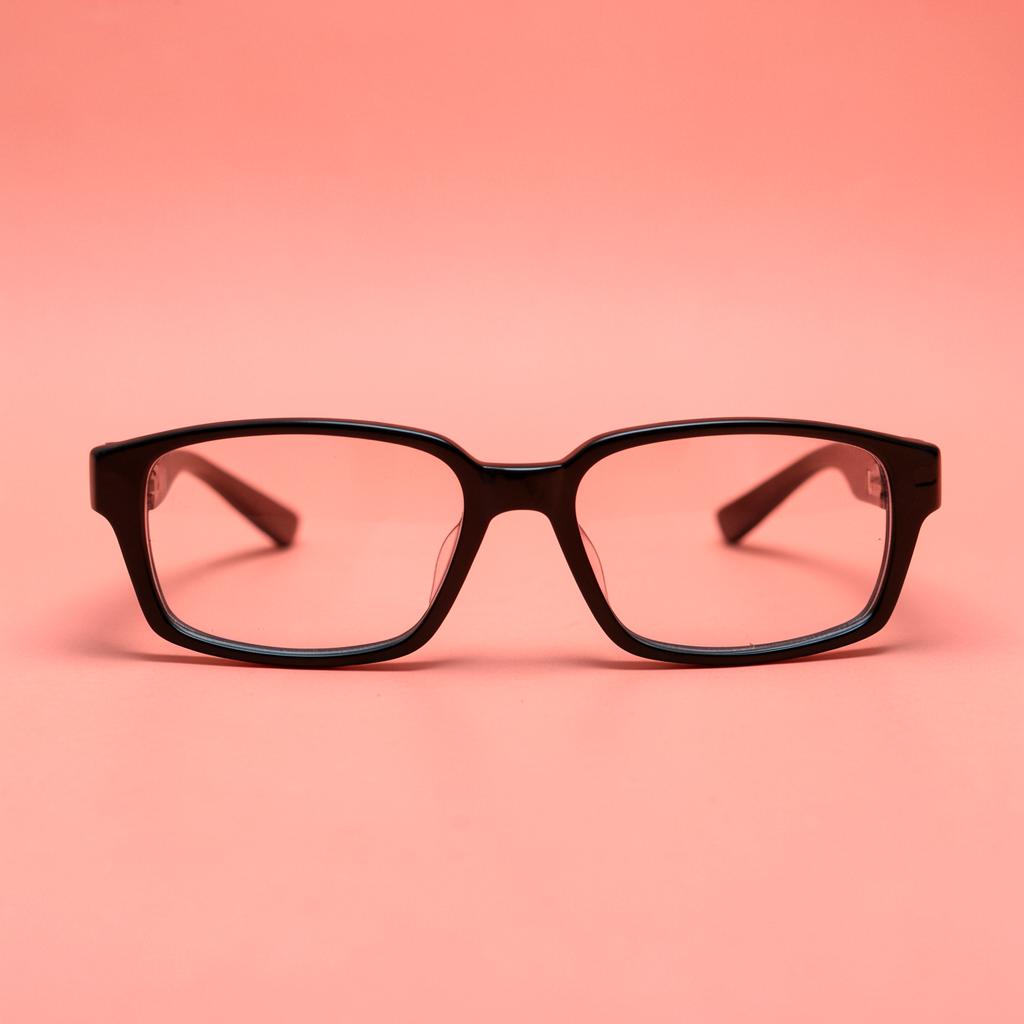
Cyxus 8169 Blue Light Computer Glasses
Best for camera days

Cyxus 8169 Blue Light Computer Glasses

Anyone whose face is on a call for part of the day.

A clear lens with light filtering and a good anti-reflective coating, which is the right trade for anyone who appears on camera. Amber lenses look distinctly odd on a webcam and hide your eyes, which matters in an interview or a patient call. These read as ordinary glasses, cut the glare from an overhead light, and shift colour so little that you can still judge a photograph or a chart. The frames are light enough that a headset band over the arms does not create a pressure point by hour four.

Lens
Clear
Coating
Anti-reflective
Weight
Light
On camera
Yes

What's good

  • Clear lens looks normal on camera
  • Very little colour shift
  • Light enough to wear under a headset

What's not

  • Filtering is modest by design
  • Coating shows fingerprints
GUNNAR Riot Computer Glasses
Strongest filtering

GUNNAR Riot Computer Glasses

Long evening shifts, and anyone who finds bright screens painful.

The most serious pair here, from the company that arguably invented the category. The amber tint is heavy enough that whites turn cream and photographs are unreliable, so this is not a pair for design work or reading X-rays. What it is very good at is the last three hours of a long shift, when a bright monitor starts to feel like a floodlight. The build is properly made rather than merely cheap, and the lenses have a slight curve that reduces air movement across the eye — which does more for dryness than the tint does.

Lens
Amber
Filtering
Heavy
Build
Premium
On camera
Not ideal

What's good

  • Genuinely heavy filtering
  • Well-built frames that last
  • Lens curve cuts drying airflow

What's not

  • Amber cast makes colour work impossible
  • Looks obvious on camera
Gaoye Blue Light Blocking Glasses
Best cheap pair

Gaoye Blue Light Blocking Glasses

Finding out whether you like wearing glasses at all.

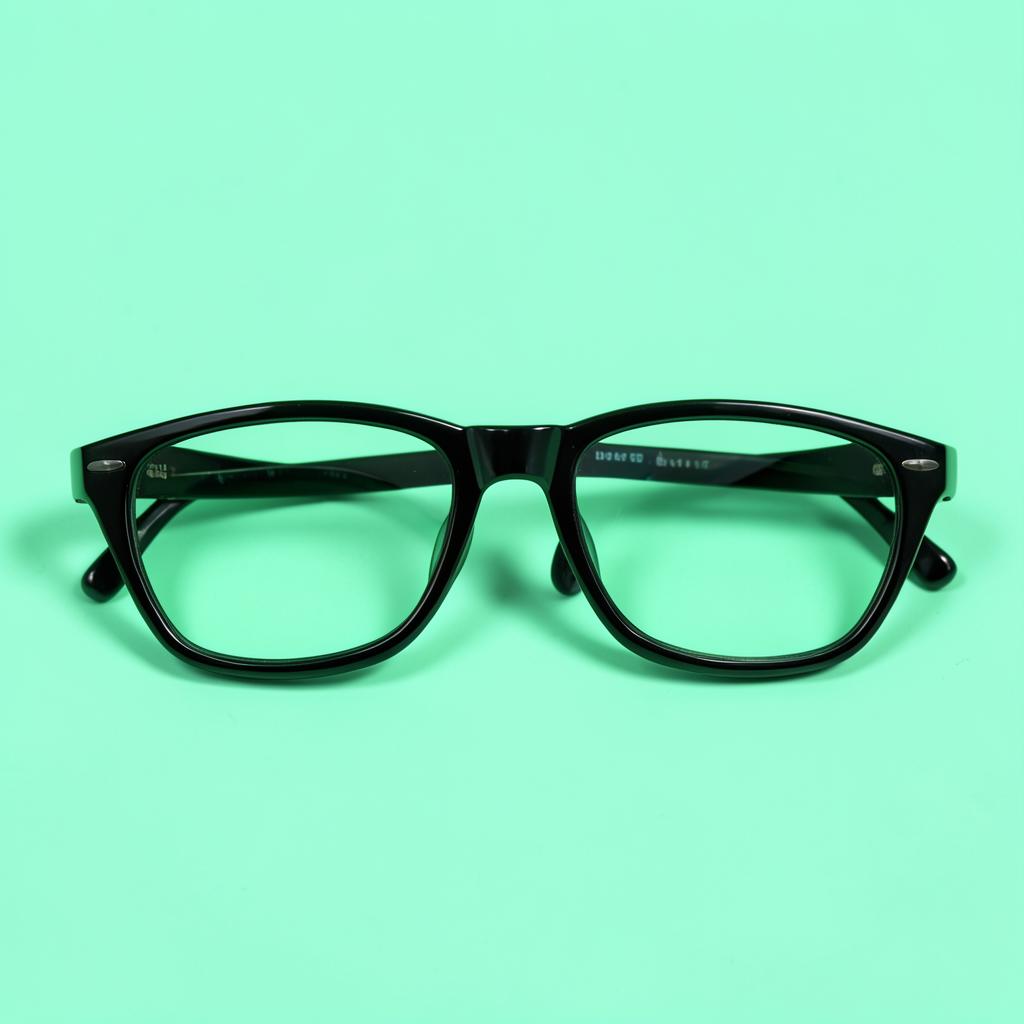
The sensible way to test the idea without committing. A square frame, a lightly tinted lens, and a price that means losing them in a coat pocket is not an event. Build quality is exactly what you would expect — the hinges are not going to last five years — but the lens does what it says, and if you discover that you like working in glasses, you have learned that for pocket money rather than for the price of a proper pair. Many people buy two and leave one at each desk.

Lens
Light tint
Frame
Square
Build
Budget
On camera
Fine

What's good

  • Costs very little
  • Light tint keeps colour usable
  • Cheap enough to buy twice

What's not

  • Hinges will loosen eventually
  • Coating scratches if you skip the case
Amber Blue Light Blocking Reading Glasses
Best for evening wind-down

Amber Blue Light Blocking Reading Glasses

People whose screen day runs past sunset and whose sleep suffers for it.

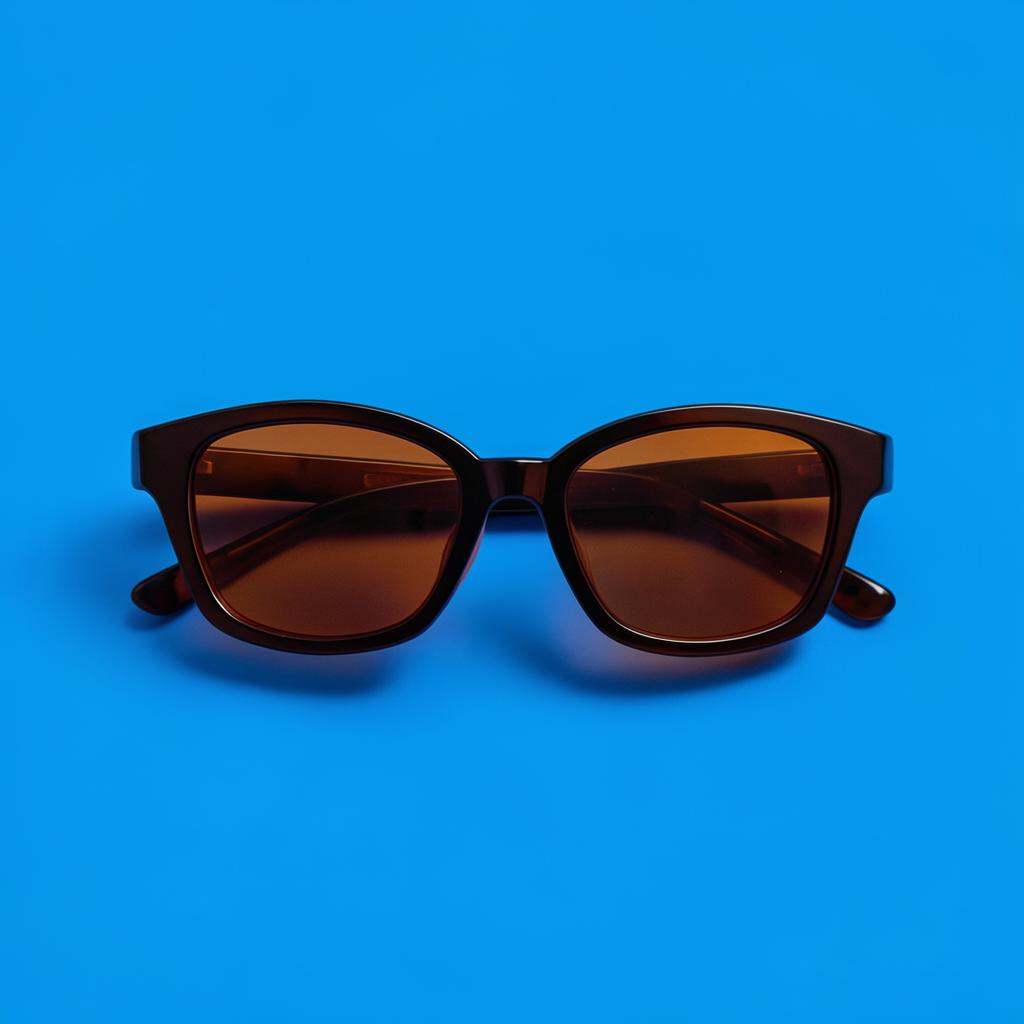
A deliberately heavy amber lens with reading magnification, meant for the last stretch of the evening rather than the working day. This is where the science is strongest: bright evening light does affect the body clock, and cutting the blue end of the spectrum after dark is a reasonable thing to do. The magnification is a real consideration — order the strength that matches what you already use for reading, and skip these entirely if you wear prescription lenses for distance. Worn from about nine o'clock, they make a phone or a laptop noticeably less alerting.

Lens
Deep amber
Type
Reader, magnified
Best time
After sunset
On camera
No

What's good

  • Heavy amber tint aimed at the evening
  • The one use with real evidence behind it
  • Inexpensive for what it does

What's not

  • Reading magnification, so choose the strength carefully
  • Useless for daytime colour work
TIJN Round Blue Light Blocking Glasses
Best-looking frames

TIJN Round Blue Light Blocking Glasses

Anyone who will only wear these if they look like normal glasses.

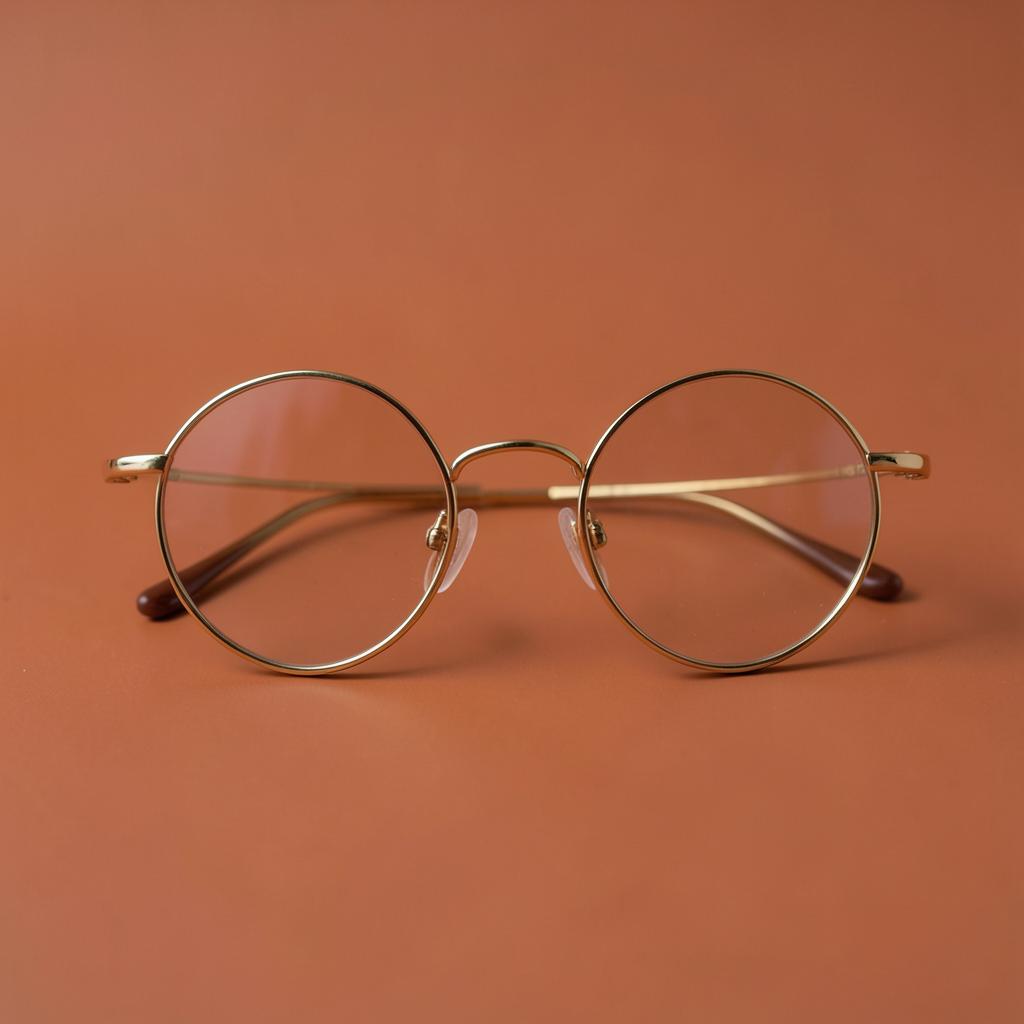
The pair most likely to actually be worn, which is the whole game with something you have to put on every morning. A slim round metal frame, clear lenses, and none of the wraparound gaming look that puts people off the category. Filtering is modest, and that is fine — the glare cut and the reminder to sit back are doing most of the work anyway. The nose pads adjust, which matters if cheap frames usually slide down your face by lunchtime.

Lens
Clear
Frame
Round metal
Fit
Adjustable pads
On camera
Yes

What's good

  • Looks like ordinary eyewear
  • Adjustable nose pads
  • Clear lens, camera safe

What's not

  • Light filtering only
  • Thin metal arms can bend
livho Blue Light Blocking Glasses
Best all-day comfort

livho Blue Light Blocking Glasses

Nine-hour days where you forget the glasses are on your face.

Very light, faintly tinted, and comfortable enough that people report forgetting they are wearing them — which is the highest praise a pair of all-day glasses can get. The slight yellow cast is visible for the first ten minutes and then invisible, and it is mild enough that spreadsheets and documents still look right. They come as a two-pack in most listings, which conveniently solves the problem of leaving your only pair in a bag on the wrong side of the house.

Lens
Faint tint
Weight
Very light
Pack
Often two
On camera
Yes

What's good

  • Extremely light on the face
  • Mild tint you stop noticing
  • Usually sold in pairs

What's not

  • Frames feel plasticky
  • Not enough filtering for late-evening use

How we picked

  • Colour shift judged against a calibrated monitor, not by eye alone
  • Reflection checked on a live webcam under a panel light
  • Comfort over a full nine-hour day, including with a headset on
  • Frames pushed onto the head repeatedly to see what loosens
  • Coatings tested for smearing after normal cleaning
  • Every pair here costs less than a week of coffee

Questions we get

Do blue light glasses actually work?

Not for the thing they are usually sold for. The best available evidence shows no reliable reduction in eye strain from the filtering itself. What people do get is less glare, a warmer picture and a habit cue — all real, none of them what the box says.

Then why buy any of these?

Because comfort is a legitimate reason to buy something, and because they are cheap. If a pair of glasses makes your afternoon less unpleasant, that is worth fifteen dollars whether or not the mechanism matches the marketing.

Amber or clear?

Clear for the working day and for anything on camera. Amber for the evening, when cutting blue light has some real support in the sleep research. Buying one of each is not extravagant at these prices.

Can I get the filtering added to my prescription glasses?

Yes, most opticians offer it as a coating. It usually costs more than a whole pair from this page, so try a cheap pair first and see whether you notice a difference worth paying for.

Will they help me sleep?

Possibly, if they are amber and you wear them for the two or three hours before bed. Clear lenses worn during the day will not do anything for your sleep, and neither will amber ones worn only at work.

Before you buy

The order of operations here matters more than the shopping. Book the eye test, turn the brightness down, raise the monitor, set a break reminder, and drink some water. That list is free and it addresses three of the four causes of the ache you are trying to get rid of.

Then, if you still want a pair, buy a cheap clear one for the desk and an amber one for the evening. They are pleasant, they are inexpensive, and they will probably make the last hour of a long day feel better — just not for the reason printed on the box.

Keep reading

As an Amazon Associate we earn from qualifying purchases. Product availability and prices on Amazon change frequently and anything shown here may be out of date by the time you click. How we pick our recommendations.